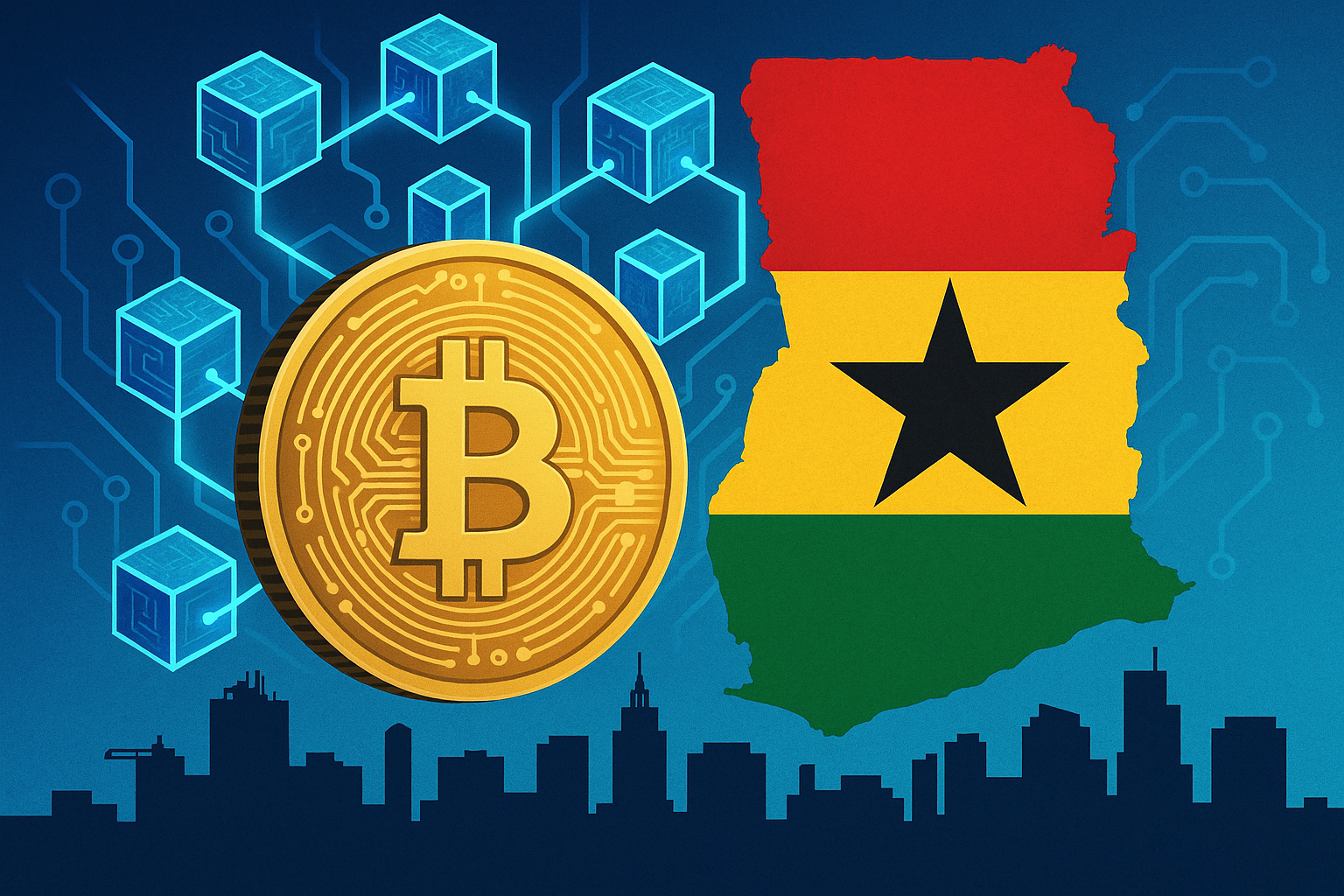
Blockchain is frequently marketed as a cure for corruption and inefficiency. In reality, it is a specific tool for a specific class of problems: situations where multiple parties need to share a record, trust is low, auditability is essential, and no single actor should be able to quietly rewrite history. If those conditions are not present, a well-designed conventional database is often simpler, cheaper, and more effective. [1][2]
The public-sector value proposition is usually “tamper-evident records.” A blockchain can make unauthorized changes easier to detect because updates are logged and replicated across participants. That can support trust when records are politically sensitive or economically valuable—provided the governance is sound and the inputs are credible. Garbage in still becomes tamper-evident garbage. [1]
In Ghana, the most plausible blockchain-aligned use cases tend to be registries and traceability workflows. Examples include: (a) supply-chain tracking for medicines, fertilizers, or public procurement items; (b) credential verification for professional licenses; and (c) registries where audit logs and multi-party oversight matter. These are not “crypto” projects; they are integrity projects that may use distributed ledgers as an implementation choice. [1][2]
Land and property records are often mentioned. It’s true that land disputes thrive where records are fragmented, difficult to verify, or vulnerable to manipulation. A tamper-evident log can improve auditability, but it does not automatically resolve disputes, validate ownership, or replace legal adjudication. Any land-focused solution still needs strong institutional workflows, identity verification, dispute resolution processes, and legal recognition of digital records. [1][3]
The hardest problems are not technical—they are institutional. Public trust improves when citizens can verify processes, appeal outcomes, and see consistent enforcement. If officials can override decisions off-chain, or if data is entered inconsistently, the ledger will not save the system. In other words: transparency technology without accountability institutions tends to become “high-tech paperwork.” [1]
There are also real risks. Public-sector blockchain projects can create privacy challenges if sensitive data is written immutably; they can create vendor lock-in if the system becomes too specialized; and they can increase operational complexity for teams that already struggle with capacity. OECD analyses repeatedly emphasize that governance design, interoperability, and legal frameworks are prerequisites—not afterthoughts. [1]
A realistic roadmap for Ghana is “evidence-first.” Start with a narrow pilot: define the problem, define success metrics, and compare blockchain vs non-blockchain architectures openly. If blockchain wins, it should be because it reduces reconciliation costs, improves auditability across multiple entities, and lowers dispute rates—not because it sounds modern. [1][2]
Finally, blockchain works best as a supporting layer, not the whole product. The citizen experience should be simple: verify a record, track a supply chain, confirm authenticity. Behind the scenes, governance, identity, and legal enforceability are what actually produce trust. [1]
References
[1] OECD — Blockchain technologies as a digital government tool (benefits, limits, governance prerequisites): https://www.oecd.org/gov/blockchain-technologies-as-a-digital-government-tool-0e8474c8-en.htm
[2] World Bank — Distributed ledger / GovTech & public sector digital transformation context: https://www.worldbank.org/en/topic/governance/brief/govtech-putting-people-first
[3] Ghana Lands Commission (public information / digitisation initiatives & services): https://www.lc.gov.gh/